
Key Points:
- Cyber insurance requirements in 2025 demand proof of controls that block real threats.
- Insurers expect phishing-resistant MFA, EDR on endpoints, immutable backups, and documented response plans.
- Applications require evidence like screenshots and test reports, and firms that meet these standards qualify faster, lower premiums, and reduce denial risk during claims.
Renewals got harder after carriers paid out on costly breaches. Underwriting moved from checklists to proof. Cyber insurance requirements focus on controls that actually stop or limit attacks. You will see what carriers ask for in 2025, why those asks tie to current threats, and how to close gaps fast so you can qualify for coverage without slowing the business down.

Cyber Insurance Requirements in 2025: The Non-Negotiables
Underwriters begin with controls that block common attack paths, then confirm they are enabled across users and systems. Most applications now ask for screenshots or policy exports instead of verbal attestations.
Expect questions about phishing-resistant MFA, endpoint protection with detection and response, and backup practices that support fast, clean restores. These items shape pricing and are often binding conditions on a quote.
Core controls most carriers expect to see in place:
- Multi-factor authentication (MFA) on email, VPN, privileged accounts, remote access, and administrator consoles. CISA calls out phishing-resistant MFA as a stronger option.
- Endpoint Detection and Response (EDR) or Security Operations Center (SOC) coverage for servers and laptops, with a policy to isolate infected hosts. Industry studies show EDR and incident response rise to the top of control lists.
- Data backup and disaster recovery that is isolated or immutable, regularly tested, and able to restore quickly after ransomware.
- Timely patching with SLAs for critical vulnerabilities and a process to remove or restrict end-of-life software.
- Email security and user training to reduce credential theft and business email compromise.
- Incident response plan with contact trees, legal steps, and tabletop exercises.
These cyber insurance coverage requirements influence both eligibility and deductibles. They also connect to core underwriting questions like annual revenue, data types, and third-party exposure.
Why Insurers Care: Current Breach Trends That Drive Controls
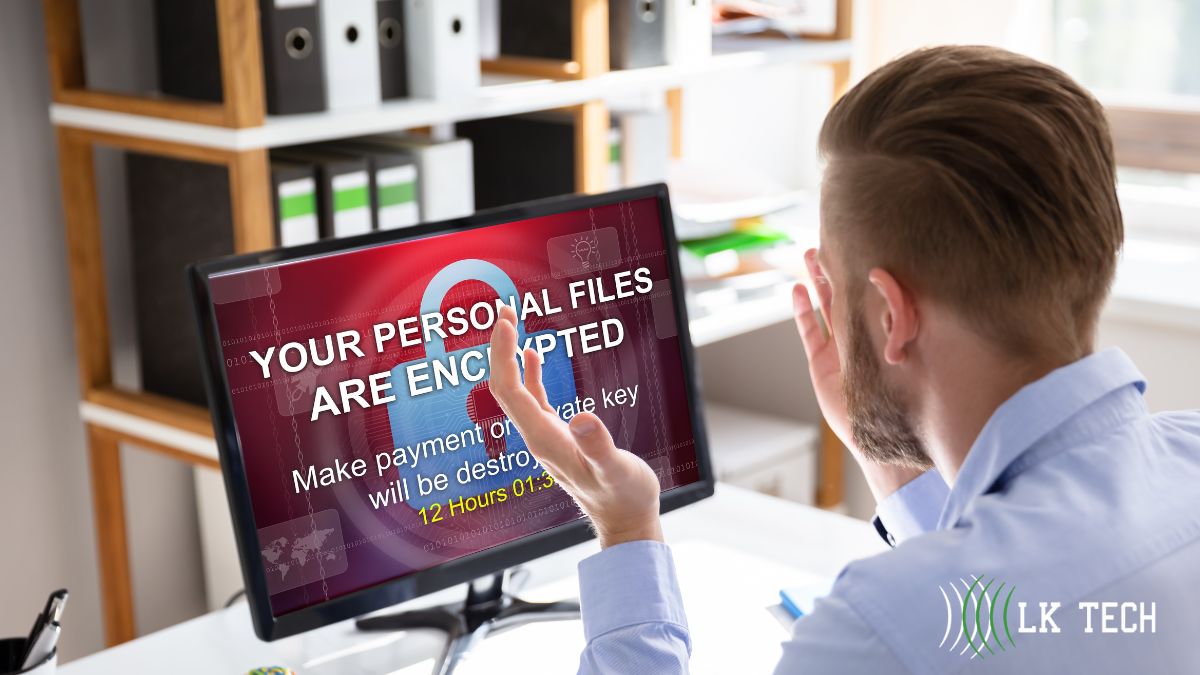
Carrier questionnaires align with what attackers actually do. Ransomware remains the most disruptive scenario for small and midsize firms, and it often starts with phishing or stolen credentials. Verizon’s 2025 DBIR links ransomware to 75% of system-intrusion breaches, a clear reason MFA, EDR, and backups lead underwriting checklists.
One more trend shapes underwriting: breach costs stay high even when firms avoid extortion. IBM’s 2025 report pegs the global average breach at about USD 4.4 million, so carriers push for faster detection and containment to cut loss sizes.
Backups also sit under pressure during attacks. Coalition notes 94% of organizations hit by ransomware saw threat actors target backups, which is why insurers ask about immutability and offline copies.
These threat patterns align with cybersecurity services from a carrier’s point of view: stop credential theft, detect lateral movement, and ensure recovery even if backups were the target.
Proof Insurers Ask For During Underwriting
Applications now include sections where you upload evidence. Carriers use this to confirm cyber insurance protection is not just a policy on paper. Prepare artifacts up front to speed reviews and avoid back-and-forth.
Common evidence requests and how to prepare:
- MFA enforcement: Admin screenshots showing policies for email, VPN, and privileged groups. Policy exports help prove scope. Tie this to cyber liability insurance requirements on the form.
- EDR coverage reports: Dashboards listing protected endpoints by OS and policy. Include a recent alert example with isolation action.
- Backup reports: Copies of successful test restores, immutability settings, and storage location diagrams. Map jobs to recovery objectives from your plan.
- Patch cadence evidence: Monthly or weekly change tickets and vulnerability scan summaries showing the age of critical findings.
- Incident response: Artifacts tie directly to breach recovery services and show a dated playbook, call tree, and the last tabletop summary with remediations closed.
Having this package ready reduces delays and helps keep premiums aligned with your risk posture. Instead of focusing only on renewal, it also clarifies what are the requirements for cyber security in daily operations.

Control by Control: What Underwriters Verify and Why
Insurers do not expect perfection. They expect coverage of high-impact risks tied to real attacker behavior. Use the following checklist to see how controls map to common threats and cyber risk insurance coverage language.
1) Phishing-Resistant MFA
- What they check: Adoption of email and remote access, enforcement on admins, fallback methods.
Why it matters: Blocks credential replay and push fatigue attacks. CISA recommends numbers-matching or phishing-resistant methods where possible.
2) Endpoint Detection and Response
- What they check: Agent coverage, policy version, isolation capability, 24×7 monitoring.
- Why it matters: Finds hands-on-keyboard activity faster than signature-only tools, shrinking loss sizes tied to cyber insurance protection. Marsh
3) Backups and Recovery
- What they check: Business continuity planning for immutability or offline copies, restore testing, and RTO and RPO alignment.
- Why it matters: Ransomware groups target backups, so immutability and testing limit leverage.
4) Email and Web Controls
- What they check: Advanced phishing filters, attachment sandboxing, account takeover alerts.
- Why it matters: Cuts initial access tied to fake invoices, payroll fraud, and vendor impersonation.
5) Vulnerability and Patch Management
- What they check: SLA for critical CVEs, automated deployment, exceptions for end-of-life software.
- Why it matters: Reduces exploit windows used in remote code execution and lateral movement.
6) Privileged Access and Logging
- What they check: Admin separation, just-in-time elevation, centralized logs.
- Why it matters: Limits domain-wide takeover and speeds investigations, a key part of cybersecurity in insurance.
Will Coverage Be Denied Without These Controls?
Denials usually happen when gaps were misrepresented or when a condition precedent in the policy was not met. Some policies also limit insurance against cyberattacks when sanctions could apply, which adds compliance review for any ransom discussions.
While firms can still find coverage with partial controls, deductibles and waiting periods often increase, and some loss types may be sub-limited.
Practical steps that reduce denial risks:
- Keep renewal answers exact and match them to evidence in your files.
- Log control exceptions with timelines and compensating safeguards.
- Align breach response actions with regulatory guidance to avoid violations tied to payments.
These actions support accurate underwriting and cleaner claims handling under cyber risk insurance coverage.

How To Prepare Your Environment Before You Apply
A short preparation sprint improves eligibility and pricing. Aim for controls that are fast to validate and high in impact so your team can meet cyber insurance requirements without a long project.
Priority moves for the next 30 days:
- Close MFA gaps on VPN, email, and admin accounts. Choose phishing-resistant options where you can.
- Confirm EDR coverage for every server and laptop and enable host isolation. Add alert routing to on-call. Marsh
- Harden backups with immutability or offline copies and complete a timed restore test. Document results for the application.
- Patch critical CVEs within policy SLAs and record changes. Provide scan summaries with the age of findings.
- Run a tabletop that exercises roles, legal steps, and communication as part of CIO services, and capture lessons learned to close items.
These steps show readiness and help meet cyber insurance coverage requirements that carriers flag as high priority.
Policy Terms to Watch Before You Sign
Coverage language varies by carrier and by your risk profile. Read these terms closely so you know how cyber insurance protection applies during a real incident.
- Ransomware sub-limits and coinsurance for extortion payments and recovery services.
- Business interruption triggers and the waiting period before losses start counting.
- Dependent business interruption connects to computer and network security controls for outages at a cloud or vendor.
- Breach response panels and requirements to use specific forensics, legal, and PR firms.
- War, terrorism, and infrastructure exclusions that may affect state-sponsored attacks.
- Sanctions clauses that apply if a payment would violate regulations.
Clarify these points during quoting so there are no surprises later.
Application Tips That Reduce Premiums
Underwriters price risk using both your controls and your incident profile. Clear documentation shows maturity and can lower the rate while meeting what is required for cyber security in daily operations.
- Provide metrics like MFA coverage percentages, patch SLAs, and mean time to detect.
- Share recent tabletop results and proof of closed action items.
- Include backup restore timing and the last clean-room validation.
- Note third-party risk steps such as vendor tiering and offboarding.
These details help carriers see control depth beyond basic yes or no answers and support questions tied to cyber liability insurance requirements.

Frequently Asked Questions
Do small businesses need cyber insurance?
Yes. Small businesses need cyber insurance because attackers target vulnerabilities, not size. Common gaps like missing multi-factor authentication (MFA) or outdated software make small firms easy targets. Cyber policies cover response costs and offer guidance on preventive controls like MFA, endpoint detection, and backups tailored to smaller environments.
What are the two types of cyber insurance?
The two types of cyber insurance are first-party and third-party coverage. First-party covers your direct costs like data recovery, business interruption, and response vendors. Third-party covers claims against you, such as lawsuits or regulatory actions. Policies often include sub-limits, so review coverage details before signing.
How does a cyber insurance work?
Cyber insurance works by assessing risk during application, setting coverage terms, and reimbursing costs after an incident. You notify the carrier, follow approved response steps, and submit tracked costs for reimbursement within policy limits. Strong security controls and pre-approved vendors streamline claims and ensure compliance with legal restrictions.
Start Qualifying for Coverage With Proven Security Steps
Meeting cyber insurance requirements protects the business and makes renewals smoother. Strong MFA, vigilant endpoints, and tested backups cut breach impact and show real readiness to underwriters.
Cybersecurity services in Cincinnati help teams close these gaps and maintain them over time. At LK Tech, we focus on practical controls, clear documentation, and fast response support that aligns with current underwriting.
Reach out to set up a readiness review and see where a few focused changes can reduce risk and help secure a better quote.