Key Points:
- Many small and medium businesses assume they’re too small to be targeted and leave critical exposures unaddressed.
- External attacks like phishing are just the start, internal risks, supply-chain holes and AI-powered scams are rising fast.
- Fixing the gaps means prioritizing basics: strong passwords, patching, awareness training, vendor controls and incident planning.
For many small and medium sized businesses (SMBs), cybersecurity can feel like an issue threatening only large enterprises, yet the reality is very different. Attackers know smaller organizations often lack time, budget and security expertise, making them attractive targets. Research shows that nearly half of breaches impact organizations with fewer than 1,000 employees.
This blog post explores seven of the most common threats SMBs overlook and provides actionable advice to fortify your business. By addressing these risks proactively you protect both your operations and your reputation.
Human-Error & Social-Engineering Attacks

Unwanted emails, phone-calls and false vendor requests, all of these rely on human error. SMBs frequently underestimate how much risk sits in staff behavior and communication.
Industry statistics highlight that small businesses receive significantly more social-engineering attacks than larger companies.
Common issues
- Employees open phishing emails or click malicious links thinking they are internal or trusted.
- Voice or SMS scams (vishing or smishing) impersonate managers or vendors.
- Lack of regular training means employees don’t spot modern social-engineering tactics.
How to fix it
- Conduct regular cybersecurity awareness training for all staff.
- Use realistic phishing simulations to measure preparedness.
- Establish clear procedures for verifying unusual requests (e.g., transfers, data access).
- Make cybersecurity part of the staff onboarding and periodic refresh cycle.
Weak Credentials & Poor Access Management
Weak passwords, reused credentials, shared accounts, these remain some of the simplest but most exploited vulnerabilities. Research shows that compromised credentials are involved in the majority of breaches.
Typical failures you’ll see
- Single‐factor login across critical systems.
- Employees reuse personal passwords on business systems.
- Privileged accounts remain active despite users changing roles or leaving.
Fixes to implement
- Require strong passwords and enable multi-factor authentication (MFA) everywhere.
- Use a password manager to generate and store unique credentials.
- Audit user accounts and remove access when people leave or change roles.
- Limit administrative privileges only to those who absolutely need them.
Outdated Software & Unpatched Systems
When software or operating systems are left unpatched, they become easy entry points. SMBs often fall behind on update cycles because of complexity, cost or fear of breaking legacy systems. The infamous example of a widespread ransomware attack used a known but unpatched exploit.
What happens
- Attackers exploit known vulnerabilities that have been patched by vendors, yet the business hasn’t applied the update.
- Poor visibility of endpoints means some devices are forgotten or unmanaged.
- Lack of asset inventory leads to unmonitored machines.
Remediation steps
- Keep an inventory of all hardware and software in the business.
- Establish a patch-management process: identify, prioritize and deploy updates promptly.
- Enable automatic updates where feasible, especially for critical security patches.
- Consider segmenting older/legacy systems to reduce risk of exposure.
Insufficient Endpoint & Network Protection

SMBs often rely on basic security tools or consumer-grade products that are not designed for business threats. Meanwhile endpoints (laptops, mobiles, IoT) remain gateways for attack. Research shows many small organizations lack dedicated security measures.
Gaps include
- No dedicated endpoint detection & response (EDR), intrusion detection or robust business firewalls.
- Remote or mobile-working devices lack consistent security controls.
- Cloud or SaaS systems are used without proper oversight of connected endpoints.
What you can do
- Deploy business-grade endpoint protection that includes behavior monitoring, not just signature scanning.
- Secure remote access: use VPNs, enforce device compliance and restrict access from unmanaged devices.
- Use firewalls and network segmentation to minimize lateral movement if a device is compromised.
- Periodically review network traffic for anomalies.
Third-Party & Supply-Chain Risk
Small and medium businesses increasingly rely on vendors, contractors or cloud services. Each external partner with access adds risk. When their security is weak, your business becomes exposed. Supply-chain attacks are rising in frequency.
Why it matters:
- Many breaches start via a trusted supplier whose credentials are compromised.
- SMBs may not apply the same due-diligence to vendors as larger enterprises do.
- Failure to monitor ongoing vendor behavior leaves blind spots.
Actions to take:
- Identify all vendors and map their access to your systems and data.
- Require security standards from vendors: audits, reporting obligations, incident-response roles.
- Include vendor-risk clauses in contracts and enforce periodic reviews.
- Monitor vendor activity and restrict access to exactly what’s needed (least privilege).
Insider Threats & Privilege Misuse
Threats don’t always come from outsiders. Employees, contractors or former staff can inadvertently or maliciously compromise systems. With limited monitoring SMBs may not detect these risks until damage occurs. Research indicates high risks when human and process controls are weak.
Examples of internal issues
- Disgruntled employees export sensitive data.
- A user with excess privileges overrides controls.
- A vendor or third-party user with access becomes an insider risk.
What to implement
- Audit user privileges and enforce least-required access.
- Use logging and alerting to monitor unusual behavior (large data exports, logins at odd hours, access from unexpected locations).
- Ensure off-boarding processes immediately remove access when someone leaves.
- Conduct regular reviews of privileged accounts and vendor access.
Emerging Threats: AI-Enabled & Targeted Attacks
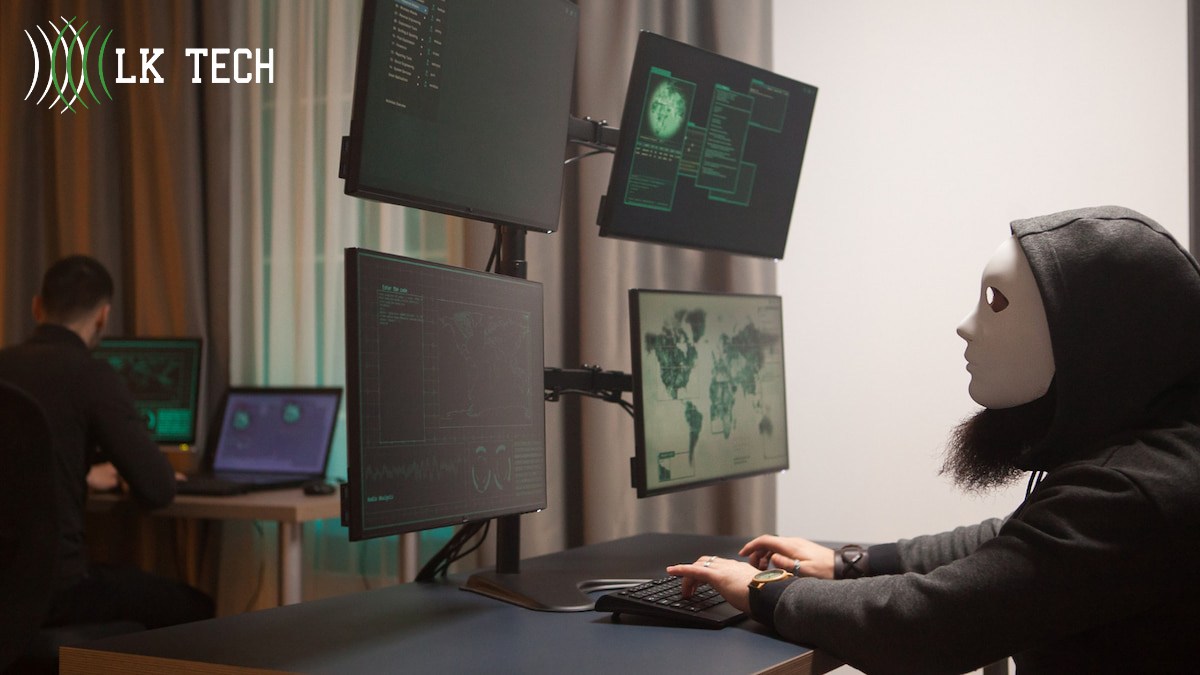
Cyber threats are evolving rapidly. Attackers now use artificial intelligence, automation and deep-fakes to bypass traditional defences. SMBs often lag behind in preparing for these advanced tactics. A tech-industry source recently noted the rise of deep-fake and prompt-injection attacks targeting smaller organizations.
Notable trends
- AI-driven phishing: personalized messages, realistic impersonation.
- Deep-fake audio or video used in business-email compromises.
- Low-cost automation of attacks scales risks against smaller vendors.
Forward-looking safeguards
- Elevate awareness training to include these emerging tactics (recognizing unusual requests, verifying by phone).
- Implement a culture of verification: treat unexpected communications with suspicion.
- Stay current with threat-intelligence relevant to SMBs and plan for incidents involving advanced techniques.
- Consider adopting a zero-trust mindset: assume that no device, user or request is automatically trusted.
Frequently Asked Questions
What is the most common cybersecurity threat for small businesses?
Phishing remains the top entry point for attackers against SMBs, increasingly enhanced by AI-driven techniques to mimic trusted contacts.
How much should a small-medium business budget for cybersecurity?
There is no fixed number, but cybersecurity should be treated as a core business investment. Prioritize basic controls, training and monitoring before fancy tools.
Does cyber insurance replace good security practices?
No. Insurance can help mitigate financial impact, but it does not substitute for prevention, detection and response measures. Relying on it alone leaves major vulnerabilities.
Defend What Matters, Strengthen Your SMB’s Cybersecurity Today
Many small and mid-sized businesses believe they’re too small to be targeted, but cybercriminals think otherwise. Phishing, ransomware, and insider threats can strike at any time, putting your data, reputation, and operations at risk.
LK Tech helps SMBs close the gaps they didn’t know existed. Our experts design customized cybersecurity frameworks that include risk assessments, data encryption, employee training, and recovery solutions to keep your business protected 24/7.
Don’t wait for an attack to expose vulnerabilities. Get in touch with LK Tech today to strengthen your defenses, minimize risk, and gain peace of mind knowing your business is secure from evolving cyber threats.